TRM Packaging Home

Category

Operations & Efficiency

20 articles

Presentable and Postal-Proof: Setting a Packing Standard for Product Samples

Presentable and Postal-Proof: Setting a Packing Standard for Product Samples

Samples sent to retail buyers, trade-show stands and press contacts occupy an awkward middle ground: too few for volume pricing, too visible to be packed carelessly. This guide sets out a repeatable standard for sizing, protection, presentation, labelling and reuse that holds up at low volumes.

Engineering the Letterbox Fit: Slim Packaging That Survives the Journey

Engineering the Letterbox Fit: Slim Packaging That Survives the Journey

A slim parcel can move through a lower postage band, but only if it stays within the carrier's thickness limit after packing, closing and labelling. This guide sets out a practical thickness budget, simple bench checks and the cases where a parcel box remains the better choice.

A Handle on Access: Designing Parcels That Open Without a Struggle

A Handle on Access: Designing Parcels That Open Without a Struggle

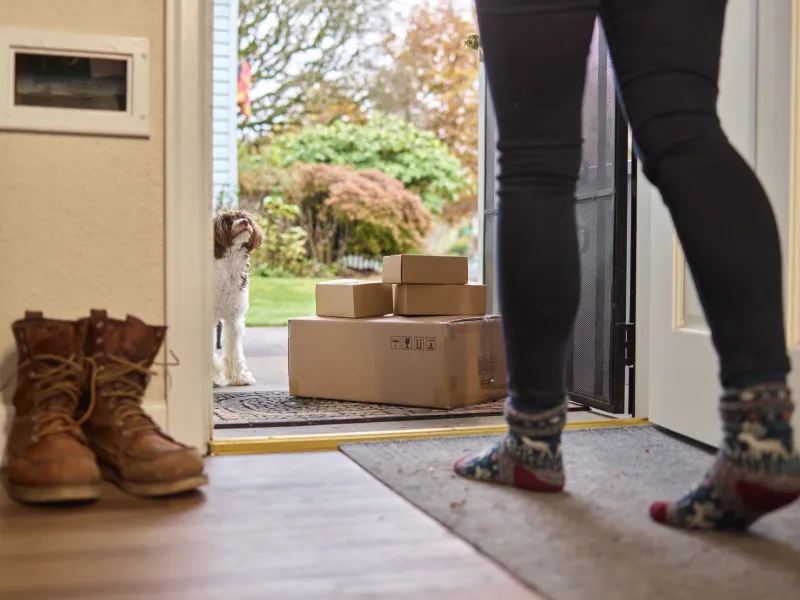
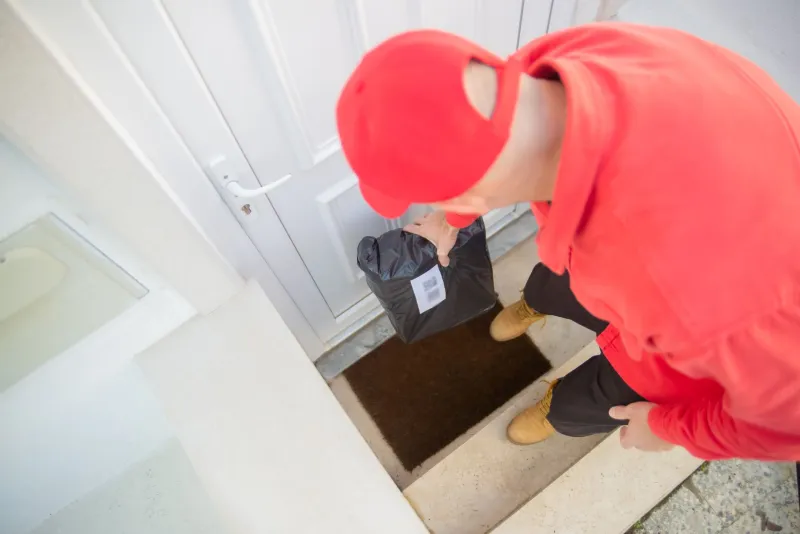
Most packaging checks end when the parcel leaves the depot. The final test happens on a doorstep, often with one free hand and limited grip strength. This article outlines a practical way to assess opening force, tape placement and inner-pack access without compromising tamper evidence or margin.

Many Journeys, One Pack: Making Returnable Transit Packaging Pay Its Way

Many Journeys, One Pack: Making Returnable Transit Packaging Pay Its Way

Rental, repair and resale models ask a parcel to survive dozens of journeys rather than one. This guide sets out how UK businesses can select returnable cases, mailers and inserts, test them honestly, manage deposits and returns, and judge the whole exercise on cost per cycle rather than cost per unit.

Fewer Boxes, Better Parcels: Trimming a Packaging Range Without Losing Protection

Fewer Boxes, Better Parcels: Trimming a Packaging Range Without Losing Protection

Packaging ranges tend to expand quietly, one special case at a time, until the shelves are full and the picking decisions are harder than they should be. This guide sets out how UK businesses can audit existing sizes against real despatch data, consolidate where it is genuinely safe, and prove a smaller range before retiring anything.

Grip, Balance, Open: Designing Parcels for the Realities of UK Handling

Grip, Balance, Open: Designing Parcels for the Realities of UK Handling

Parcel specifications often focus on dimensions, board grade and unit cost, yet real handling begins with a courier carrying several boxes and ends with a customer opening one on a wet doorstep. This guide sets out a practical review routine for grip, balance, opening and damage prevention.

Rain-Ready Parcels: Protecting Goods on the UK Doorstep

Rain-Ready Parcels: Protecting Goods on the UK Doorstep

UK couriers often leave parcels in porches, under hedges or beside bins, where brief rain can weaken paper-based packaging. This guide explains how moisture affects corrugated board, paper tape and void fill, and sets out a simple wet-doorstep test and cost rules for weather-resistant outers.

Beyond the Cheapest Bag: A 2026 Framework for Choosing Void Fill

Beyond the Cheapest Bag: A 2026 Framework for Choosing Void Fill

Paper, starch peanuts, air pillows and recycled plastic solve different packing problems. This 2026 buyer's guide compares protection, recyclability, storage footprint and per-parcel cost, with a practical framework for UK SMEs shipping mixed ranges.